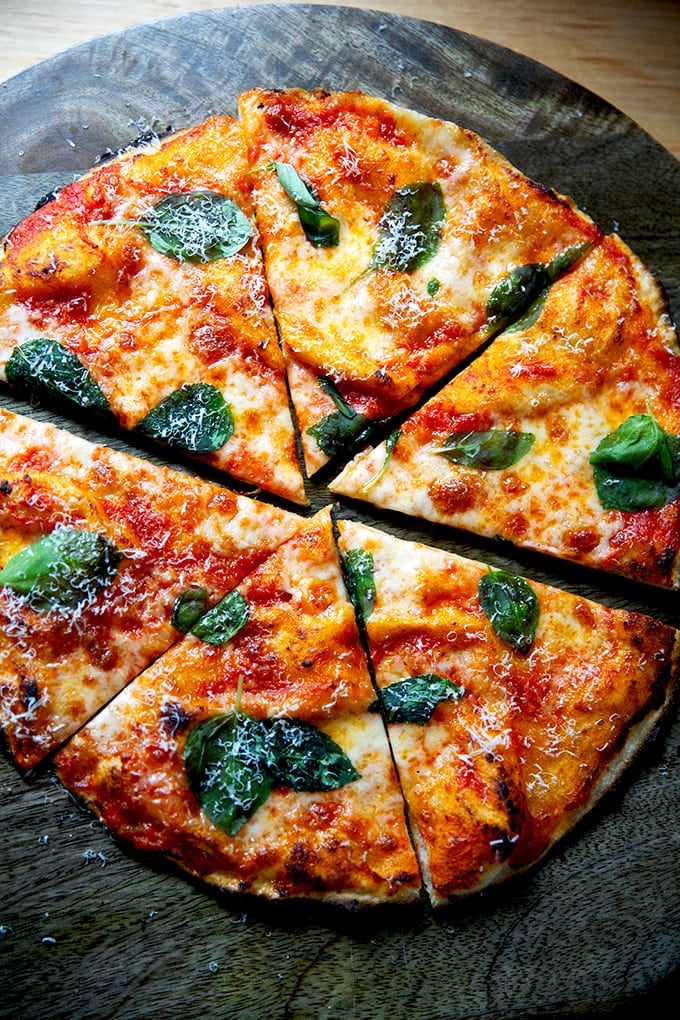
Achieve Real Deal Thin & Crispy Gluten-Free Pizza Crust: Your Ultimate Guide
For many, the thought of a truly satisfying gluten-free pizza crust conjures images of thick, gummy, or crumbly disappointments. The holy grail – a crust that's delightfully thin, boasts a satisfying snap, and offers that elusive "real deal" chew – often seems out of reach. But what if we told you that achieving an authentic **thin and crispy gluten free pizza crust** is not only possible but surprisingly within your grasp? Forget the compromises; with the right knowledge and techniques, you can create a gluten-free pizza that rivals its traditional counterparts.
This comprehensive guide will demystify the art of gluten-free pizza making, providing you with the insights and practical tips needed to transform your kitchen into a pizzeria, serving up crusts that are perfectly golden, wonderfully crisp, and deliciously thin every single time.
The Gluten-Free Pizza Paradox: Understanding the Challenge
The fundamental difference between gluten-free and traditional baking lies in, well, gluten. This protein network provides the elasticity and structure that allows traditional yeast-leavened doughs to rise, stretch, and develop that characteristic chewy texture. When gluten is absent, replicating these qualities isn't as simple as a direct flour swap. Many home bakers find that their early attempts at gluten-free bread or pizza result in dense, brick-like, or overly fragile products.
Traditional doughs rely on gluten to trap the gases produced by yeast, creating an airy, open crumb. Without this vital protein, gluten-free flours require a different approach to achieve similar structural integrity and texture. This often means incorporating additional ingredients like eggs, stabilizers (such as xanthan gum or psyllium husk), and thickeners to provide the necessary support and binding. These ingredients help mimic the elasticity and chewiness that gluten naturally provides, ensuring your **thin and crispy gluten free pizza crust** doesn't fall apart or become excessively dry. Understanding this foundational difference is the first step toward mastering gluten-free pizza.
Mastering Your Flour: The Foundation of a Perfect Crust
The journey to a perfect **thin and crispy gluten free pizza crust** begins and ends with your flour choice and how you handle it. Unlike traditional baking where "all-purpose flour" often suffices, gluten-free flours are a diverse world with unique properties.
The Right Blend is Key: Navigating Gluten-Free Flours
Not all gluten-free flours are created equal, and their varying absorption rates are a critical factor. Swapping in a random gluten-free flour for a specific recipe can lead to vastly different outcomes – from a soupy, unmanageable mess to a stiff, stodgy dough. This is why many successful gluten-free pizza recipes are formulated for specific brands or blends.
For instance, some recipes thrive with an all-purpose gluten-free baking mix, which often contains a combination of different flours (like rice flour, tapioca starch, potato starch) along with a binder. Others might call for a specialized gluten-free pizza flour, which has been expertly blended to mimic the properties needed for a good pizza crust. An exciting alternative, as championed by some, is the use of 'Ulu Flour All-Purpose Baking Mix, which offers a unique texture and flavor profile. The key is to either stick to the flour recommended in a trusted recipe or understand the characteristics of your chosen blend to make appropriate adjustments.
Precision is Paramount: The Importance of a Kitchen Scale
When working with gluten-free flours, accuracy is not just a suggestion; it's a necessity. Measuring cups and spoons, while convenient, are notoriously inaccurate, especially for flours that can pack differently. A slight variation in the amount of flour can drastically alter the dough's consistency due to differing water absorption rates.
To ensure consistent results and the ability to troubleshoot effectively, invest in a digital kitchen scale and measure your ingredients by weight (grams are ideal). This simple tool eliminates guesswork and ensures that your flour-to-liquid ratio is precisely what the recipe intends, setting you up for success in achieving that perfectly hydrated and pliable dough for your **thin and crispy gluten free pizza crust**.
Hydration Secrets: Embracing the Wet Dough
One of the most surprising aspects of successful gluten-free pizza dough is its often-unfamiliar texture. Many recipes for a **thin and crispy gluten free pizza crust** call for a significantly higher hydration level than traditional doughs. This means there's more water by weight than flour, sometimes as high as 121% hydration!
The resulting dough will be very wet, often resembling a thick batter or a sticky paste rather than the firm, elastic dough you might be used to. Do not be alarmed by this; it's entirely intentional. This high hydration is crucial for preventing a dry, crumbly crust and instead contributes to a lighter, crispier texture with a better "snap" once baked. Trying to add more flour to make it feel like traditional dough will likely result in a dense, hard crust. Trust the process, and embrace the wetness! For a deeper dive into how flour types and hydration levels impact your gluten-free baking, explore our article:
Unlock Perfect GF Pizza: Flour, Hydration & Baking Secrets.
Crafting Your Thin & Crispy Gluten-Free Pizza Crust: Techniques for Success
Once you've selected your flour and mastered precision, the actual crafting of your **thin and crispy gluten free pizza crust** comes down to careful mixing, shaping, and baking techniques.
Dough Mixing & Handling: A Gentle Touch
The mixing process for gluten-free pizza dough is generally straightforward. Typically, dry ingredients (flour, salt, sugar, yeast) are combined first. Then, warm water (often with dissolved yeast and sugar) is added. If using a stand mixer with a dough hook, mix until thoroughly combined but be mindful not to overmix, as this can develop toughness in some gluten-free flours. Two minutes of mixing is often sufficient. If mixing by hand, stir until uniform.
Remember, the dough will be wet and sticky. Resist the urge to add excessive flour to make it less tacky; a little extra stickiness is normal and desired. After mixing, many recipes call for a resting period, usually 30-40 minutes, often covered with a damp cloth, to allow the yeast to activate and the flours to fully hydrate. Some doughs, like those made with specific pizza flours, can even be stored in the fridge for up to a week, offering fantastic meal prep convenience.
Shaping and Pre-Baking for the Ultimate Crunch
This is where the "thin and crispy" truly comes to life.
First, preheat your oven to a high temperature, typically between 450°F and 475°F. High heat is essential for rapid cooking and achieving that coveted crispness.
*
Rolling it Thin: On a well-floured surface (using a gluten-free flour blend), gently roll out your dough. Aim for about ¼ inch thick to achieve a truly thin crust. Don't be afraid to experiment to find your ideal thinness.
*
Preventing Bubbles: Prick the dough a few times with a fork. This allows steam to escape during baking, preventing large, unsightly bubbles from forming.
*
Olive Oil's Role: Lightly brush the rolled-out dough with olive oil. This not only adds flavor but significantly aids in creating a beautifully golden and crispy exterior.
*
The Critical Pre-Bake: This step is non-negotiable for a truly **thin and crispy gluten free pizza crust**. Bake the naked crust in the preheated oven for 10-12 minutes, or until it's golden brown and has developed some firmness. Pre-baking cooks out excess moisture and sets the structure, preventing your crust from becoming soggy once loaded with toppings. Without this step, even the best gluten-free dough can become a limp disappointment.
Baking Temperatures and Times
After pre-baking, remove the crust from the oven, add your favorite locally sourced toppings, and return it to the oven for a final bake of 5-7 minutes. Keep an eye on it until the cheese is bubbling, melted, and slightly browned to your liking. For an even crispier bottom, consider using a preheated pizza stone or steel, which delivers intense, even heat directly to the crust.
Beyond the Basics: Elevating Your GF Pizza Experience
Making a **thin and crispy gluten free pizza crust** is a journey of discovery and delicious experimentation.
Ingredient Focus: 'Ulu Flour
If you're looking to explore unique flavors and textures, consider experimenting with 'Ulu flour (breadfruit flour). This naturally gluten-free flour can lend a distinct character to your pizza crust, offering a delightful alternative to traditional blends. It often results in a wonderfully crispy texture and can be a fantastic way to diversify your gluten-free baking repertoire. Discover how to incorporate this versatile ingredient in our dedicated article:
Bake Thin & Crispy with 'Ulu Flour Gluten-Free Pizza Crust.
Personal Touches and Troubleshooting
Don't be afraid to experiment with your favorite toppings and sauces. Whether you prefer classic Margherita, a loaded veggie pizza, or a gourmet white sauce creation, the perfect **thin and crispy gluten free pizza crust** is the ideal canvas.
Should your dough seem too wet or too stiff, make minor adjustments. If it's a soupy mess, add a tiny bit more flour (½ to 1 teaspoon at a time), mixing well. If it feels too stiff, a tiny splash of water might help. Always make incremental changes, remembering that gluten-free flours absorb liquids differently. The more you bake, the better you'll get at recognizing the ideal dough consistency for your chosen flour and recipe.
Conclusion
Achieving a genuinely **thin and crispy gluten free pizza crust** is no longer a culinary myth. By understanding the unique challenges of gluten-free baking, selecting the right flour, employing precise measurements, embracing high hydration, and meticulously following proper mixing, shaping, and pre-baking techniques, you can consistently produce a pizza crust that is indistinguishable from its gluten-containing counterparts. So, preheat your oven, gather your ingredients, and prepare to delight your taste buds with homemade gluten-free pizza that truly tastes like the real deal.