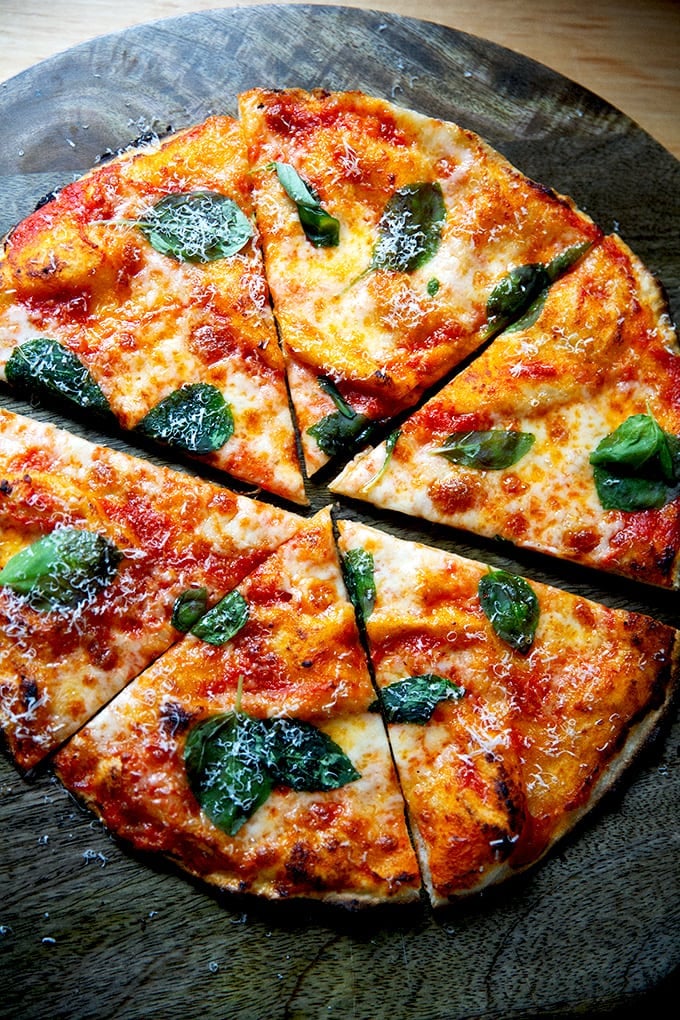
Bake Thin & Crispy with 'Ulu Flour Gluten-Free Pizza Crust: Your Ultimate Guide
For many, the idea of a truly satisfying gluten-free pizza crust remains an elusive dream. Often, the reality is a thick, gummy, or crumbly base that falls far short of the classic chewy, yet crisp, "real deal." Replicating the distinct texture of a yeast-leavened dough without gluten, the protein network responsible for elasticity and chew, is a significant challenge. Traditional gluten-free flours frequently demand extra help in the form of eggs, stabilizers, and thickeners, and even then, their varying absorption rates can turn a carefully measured recipe into a soupy mess or a stodgy brick.
But what if there was a simpler path to a
real deal thin and crispy gluten-free pizza crust? Enter 'Ulu flour. This incredible ingredient, derived from breadfruit, offers a transformative solution, making homemade gluten-free pizza not only achievable but remarkably delicious. With 'Ulu flour, you can create a crust with a delightful snap and a satisfying chew that genuinely tastes and feels authentic.
The 'Ulu Advantage: Why Breadfruit Flour Excels for Gluten-Free Pizza
While many gluten-free flours struggle to mimic the structural integrity of wheat, 'Ulu flour (especially when formulated into an All-Purpose Baking Mix) brings unique properties to the table. Unlike single-ingredient gluten-free flours that often require a precise dance of binders and extra hydration to avoid a dry or dense outcome, a well-crafted 'Ulu flour blend simplifies the process.
The inherent starch and fiber composition of breadfruit flour contribute to a dough that can achieve both crispness and a subtle chewiness. Many commercially available gluten-free pizza flours or blends are specifically designed to address the hydration puzzle. As seasoned gluten-free bakers know, one brand of gluten-free flour can absorb water vastly differently from another. What yields a perfect dough with one might become a sloppy batter or a stiff, unworkable mass with another. The beauty of using a dedicated 'Ulu Flour All-Purpose Baking Mix is that it has been meticulously balanced to account for these variables, taking the guesswork out of achieving the ideal dough consistency.
This pre-formulated approach means you don't have to worry about the complex hydration ratios that are often critical for other gluten-free doughs, which can sometimes call for an astonishing 121% hydration by weight! Instead, with an 'Ulu mix, the instructions are straightforward, focusing on a tactile feel: the dough should be thoroughly combined but *not tacky*. This user-friendly characteristic makes 'Ulu flour a superb choice for home bakers looking to create a genuinely
thin and crispy gluten free pizza crust without the typical gluten-free baking headaches.
Crafting Your Perfect 'Ulu Pizza Dough: Step-by-Step Guidance
Making a delicious 'Ulu pizza crust is surprisingly easy. This recipe, perfected by Hawaiian students, delivers on all fronts: ease, texture, and flavor.
Ingredients:
- ¾ tsp salt
- 1 tsp sugar
- 2 ¼ cup 'Ulu Flour All-Purpose Baking Mix
- ½ tsp instant yeast
- 1 cup warm water (lukewarm is best for yeast activation)
- Olive oil (for brushing)
Instructions:
- Combine Dry Ingredients: In a medium bowl, whisk together the salt and the 'Ulu Flour All-Purpose Baking Mix. Ensuring these are well combined helps distribute the salt evenly throughout the dough.
- Activate Yeast: In a separate small bowl, combine the instant yeast, sugar, and warm water. Give it a gentle stir and let it sit for 5 minutes. You should see a slight foam or bubbling, indicating the yeast is active.
- Mix the Dough: Add the yeast mixture to the flour and salt mixture. You can use a stand mixer with a dough hook attachment for convenience, or mix and knead by hand. Mix until thoroughly combined. Unlike some high-hydration gluten-free doughs that are very wet, this 'Ulu dough should become cohesive. The key here is not to over-mix, about 2 minutes should suffice.
- Adjust Consistency: The dough should be smooth and cohesive, not tacky. If you find it's too sticky, add more 'Ulu flour, 1 teaspoon at a time, mixing until you reach the desired consistency. This slight adjustability is one of the forgiving aspects of using a quality baking mix.
- First Rise (Resting): Divide the dough in half and gently form each half into a 4-inch ball. Place them on a lightly floured surface, cover them with a damp cloth, and let them rest in a warm place for 30-40 minutes. This resting period allows the yeast to work its magic, developing flavor and a light, airy texture.
- Prepare for Baking: While the dough rests, preheat your oven to a scorching 475℉ (245°C). For the absolute best results, consider using a pizza stone or steel, preheating it with the oven for at least 30-60 minutes to ensure it's screaming hot. This provides a burst of initial heat to the crust, crucial for crispness.
- Form the Crust: On a well-floured surface, take one dough ball and roll it out to approximately ¼ inch thick. Aim for about a 10-inch diameter. You want a consistent thickness for an evenly baked, thin and crispy gluten free pizza crust. Prick the dough a few times with a fork – this helps prevent large air bubbles from forming during baking.
- Pre-Bake the Crust: Lightly brush the rolled-out dough with olive oil. Carefully transfer the dough to your preheated pizza stone/steel or a baking sheet. Bake in the preheated oven for 10-12 minutes, or until the dough is golden brown around the edges and has developed some firmness. This crucial pre-bake step sets the crust and ensures it's sturdy enough to hold toppings without becoming soggy.
Baking Your 'Ulu Masterpiece: Achieving the Ultimate Crunch
The secret to a truly outstanding
thin and crispy gluten free pizza crust lies not only in the dough but also in the baking technique. The high temperature and two-stage baking process are paramount.
Two-Stage Baking for Perfection:
Once your crust is pre-baked and golden, remove it from the oven. Now comes the fun part: topping! Load it up with your favorite ingredients. The reference suggests "locally sourced toppings," which is always a fantastic way to enhance flavor and support your community. Whether it's classic marinara and mozzarella, or more adventurous combinations of fresh vegetables, meats, and artisan cheeses, the sturdy 'Ulu crust can handle it.
Return your topped pizza to the oven for another 5-7 minutes. Keep a close eye on it during this final stage. You're looking for the cheese to be bubbling, melted, and ideally, showing some signs of golden-brown caramelization. The crust edges might also deepen in color, becoming even crisper.
Tips for Success:
- Oven Temperature is King: Don't skimp on preheating. A very hot oven (475°F) is essential. It provides an immediate burst of heat that crisps the crust rapidly and helps it achieve a lighter texture.
- Pizza Stone/Steel: Invest in one if you bake pizza regularly. It absorbs and radiates intense heat, mimicking a brick oven and producing a much crisper bottom crust than a standard baking sheet.
- Don't Overload: While tempting, too many toppings can weigh down the crust, making it difficult to achieve maximum crispness. Distribute them evenly and aim for a balance.
- Rest Before Slicing: Once out of the oven, let your pizza rest for 2-3 minutes before slicing. This allows the cheese to set slightly and the crust to firm up, preventing toppings from sliding off and ensuring cleaner cuts.
Elevate Your Pizza Experience: Tips for a Gourmet GF Pie
Beyond the basic recipe, there are several ways to make your 'Ulu pizza truly exceptional and integrate advanced techniques from other gluten-free baking realms. To understand more about the science behind various gluten-free flours and their interaction with water, you might find
Unlock Perfect GF Pizza: Flour, Hydration & Baking Secrets a helpful read. This insight can help you appreciate why a pre-formulated mix like the 'Ulu All-Purpose Baking Mix streamlines the process for a consistently
thin and crispy gluten free pizza crust.
Flavor Enhancements:
*
Garlic-Infused Olive Oil: Brush your crust with garlic-infused olive oil before baking for an extra layer of flavor.
*
Herbs in the Dough: A pinch of dried oregano or Italian seasoning can be kneaded into the dough for subtle herbaceous notes.
*
Finishing Salt: A sprinkle of flaky sea salt on the cooked crust can elevate the taste profile significantly.
Troubleshooting Common Issues:
*
Crust Not Crispy Enough? Ensure your oven is truly at temperature with an oven thermometer. If using a pizza stone, ensure it's fully preheated. You might also need to roll your crust a bit thinner next time or bake it for an extra minute or two during the pre-bake stage.
*
Crust Too Dry? While the 'Ulu recipe aims for a non-tacky dough, if your end result is crumbly, your dough might have been too dry. Next time, add the initial water gradually and ensure the dough isn't overly stiff before resting.
*
Bubbles Forming? Pricking the dough with a fork helps. For very large bubbles, a quick poke with a knife during baking can release trapped air.
Make-Ahead Convenience:
While the 'Ulu recipe primarily focuses on immediate preparation, a well-handled gluten-free pizza dough often lends itself to making ahead. After the first rise and forming into balls, you *can* typically store the dough rounds tightly wrapped in the refrigerator for a few days. This allows you to have fresh pizza on demand, cutting down prep time on busy evenings. Always bring the dough back to room temperature for about 30 minutes before rolling.
Conclusion
Achieving a truly
thin and crispy gluten free pizza crust no longer has to be a culinary quest filled with compromises. Thanks to the unique properties of 'Ulu flour, especially in a thoughtfully crafted All-Purpose Baking Mix, home bakers can now create pizzas that rival their gluten-containing counterparts in texture, flavor, and satisfaction. This comprehensive guide, leveraging the simplicity and effectiveness of 'Ulu flour, empowers you to bake a pizza that delivers on that desired snap, chew, and incredible taste. So, gather your ingredients, fire up your oven, and prepare to delight your taste buds with a homemade gluten-free pizza that truly tastes like the real deal.