Unlock Perfect GF Pizza: Flour, Hydration & Baking Secrets
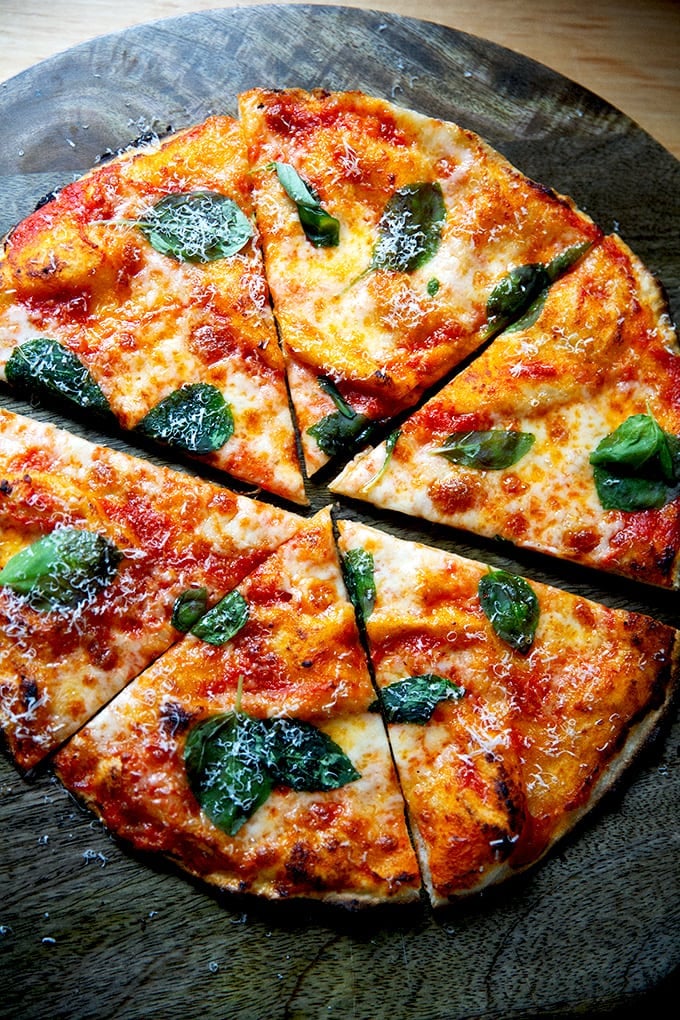
For many pizza lovers, the idea of a truly thin and crispy gluten free pizza crust might seem like an elusive dream. The unique elasticity and chew of traditional wheat-based dough, thanks to gluten, often feels impossible to replicate without it. However, the landscape of gluten-free baking has evolved dramatically, and with the right knowledge of flour, hydration, and baking techniques, achieving a delectable, real-deal thin and crispy gluten-free pizza crust is not just possible, but surprisingly achievable.
Forget the days of dense, crumbly, or overly chewy gluten-free bases. This comprehensive guide will delve into the critical elements that transform your gluten-free pizza experience, offering insights and actionable tips to help you master the art of the perfect GF pie, complete with that satisfying snap and delightful chew.
The Gluten-Free Flour Conundrum: More Than a Simple Swap
Unlike baking muffins or cakes where a one-for-one gluten-free flour swap often works seamlessly, yeast-leavened items like pizza dough present a significant challenge. The absence of gluten, the protein network responsible for structure and elasticity, means that gluten-free doughs require a different approach to achieve a desirable texture. Simply replacing wheat flour with a generic gluten-free flour mix usually results in a dense, crumbly, or stiff crust that lacks the characteristic "chew" and "snap" we crave in pizza.
To overcome this, gluten-free pizza flours often incorporate a blend of different ingredients to mimic gluten's properties. These can include:
- Starches: Such as tapioca starch, potato starch, or cornstarch, which contribute to a lighter texture and aid in browning.
- Gums and Stabilizers: Ingredients like xanthan gum or guar gum are crucial for providing elasticity and preventing crumbling. They act as binders, holding the dough together in the absence of gluten.
- Proteins: Sometimes, ingredients like egg white powder or even psyllium husk are added for extra structure and a more "bread-like" texture.
- Specific Flours: Flours like brown rice flour, sorghum flour, or millet flour provide flavor and structure, while others like almond flour can add richness.
The type and proportion of these ingredients vary significantly between brands, which is why a recipe formulated for a specific gluten-free flour blend is often recommended. For instance, dedicated gluten-free pizza flour blends, such as King Arthur's, are expertly balanced to provide the necessary components for an optimal pizza crust. These specialized blends simplify the process by taking the guesswork out of creating your own flour mix. Similarly, unique flours like 'Ulu flour, when properly blended, can create a fantastic gluten-free base, as explored in Bake Thin & Crispy with 'Ulu Flour Gluten-Free Pizza Crust. Understanding that not all gluten-free flours are created equal is the first step towards consistent success.
Hydration is King: Embracing the "Wet Dough" Secret
Perhaps the most counter-intuitive, yet critical, secret to a phenomenal thin and crispy gluten free pizza crust is embracing high hydration. In traditional baking, dough hydration refers to the ratio of water to flour by weight. For gluten-free pizza, this ratio often needs to be significantly higher than its wheat-based counterparts, sometimes even exceeding 100% – meaning there is more water by weight than flour!
Why such a wet dough? Without the gluten network to trap moisture and provide elasticity, gluten-free flours can quickly produce a dry, dense, or crumbly crust. A high hydration level compensates for this, allowing the starches to fully gelatinize and create a moist, pliable dough that can stretch thin without tearing. When baked, this moisture turns to steam, creating air pockets and contributing to a light, crispy texture with a satisfying "snap."
The texture of a high-hydration gluten-free pizza dough will likely feel unfamiliar if you're used to traditional doughs. It will be very wet, often resembling a thick batter or a very soft, sticky paste rather than a firm, kneadable ball. This is perfectly normal and desirable!
The Indispensable Kitchen Scale
Given the critical importance of precise hydration, accurate measurement is non-negotiable. Using measuring cups and spoons for flour and water can lead to significant discrepancies because volumetric measurements vary depending on how compactly an ingredient is packed. A cup of flour can weigh anywhere from 120g to 150g or more, making exact replication of a recipe impossible without a scale.
A digital kitchen scale is an essential tool for gluten-free baking. By measuring ingredients by weight (grams are ideal), you ensure consistent results every time. This precision is especially vital when dealing with high-hydration doughs, where even a slight deviation in water or flour can turn a perfectly pliable dough into a soupy mess or a stiff, unworkable mass. Invest in a good kitchen scale – it will be your best friend on your journey to perfect gluten-free pizza.
Mastering the Bake: Heat, Timing & Technique
Beyond the right flour and proper hydration, the actual baking process plays a pivotal role in achieving that coveted thin and crispy gluten free pizza crust. High heat and strategic timing are key to transforming your wet dough into a golden, bubbly masterpiece.
Preheat to Perfection
A scorching hot oven is your ally. Most recipes for thin and crispy crusts recommend preheating your oven to between 450°F (232°C) and 475°F (246°C). For best results, allow your oven to preheat for at least 30-60 minutes, especially if you're using a pizza stone or steel. This extended preheating ensures that the stone or steel reaches the optimal temperature, providing an intense burst of heat to the bottom of the crust. This high initial heat is crucial for "oven spring" – the rapid expansion of the dough – and for creating a beautifully blistered, crispy base.
The Power of Par-Baking
One of the most effective techniques for preventing a soggy gluten-free pizza crust and ensuring maximum crispness is par-baking (or blind baking) the crust before adding toppings. This two-stage baking process works wonders:
- Initial Bake: Roll out your dough (more on this below) and prick it a few times with a fork to prevent large bubbles. Lightly brush the surface with olive oil for added flavor and browning. Bake the crust alone for 8-12 minutes, or until it's golden brown, firm, and has developed some structure. This sets the base, allowing it to become crispy before the weight and moisture of toppings are added.
- Final Bake: Remove the par-baked crust from the oven, add your favorite sauces and toppings, then return it to the oven for another 5-10 minutes, or until the cheese is bubbling and slightly browned. This method ensures that your crust is cooked through and crispy, not just on the edges, but all the way to the center.
Shaping and Handling High-Hydration Dough
Working with very wet gluten-free dough requires a slightly different approach:
- Parchment Paper is Your Friend: Rolling out directly on parchment paper dusted lightly with gluten-free flour makes transferring the delicate dough to your hot oven or pizza peel much easier. You can even bake directly on the parchment.
- Gentle Hands: Avoid overworking the dough. With no gluten to develop, excessive kneading isn't beneficial and can actually make the dough tougher. Mix until just combined, then handle gently.
- Even Thickness: Aim for an even ¼-inch thickness (or even thinner if your dough allows) for a truly thin and crispy gluten free pizza crust. Use a rolling pin or even your hands, gently pressing from the center outwards.
Beyond the Basics: Advanced Tips for GF Pizza Perfection
With the foundations of flour, hydration, and baking understood, here are some additional tips to elevate your gluten-free pizza game even further:
- Cold Fermentation for Flavor: If your recipe allows, refrigerating your dough for at least 24 hours (or even up to a week) can dramatically enhance the flavor and texture. This slow, cold fermentation allows yeast to produce more complex flavors and can even make the dough easier to handle.
- Ingredient Quality: Good quality instant yeast ensures a reliable rise, while a touch of sugar can aid in yeast activation and promote browning. Don't skip the salt, which is crucial for flavor and helps regulate yeast activity. Olive oil not only prevents sticking but adds rich flavor and contributes to a crispier crust.
- Troubleshooting Dough Consistency: If your dough feels too wet and unmanageable, add a teaspoon of gluten-free flour blend at a time, mixing briefly until it reaches a workable consistency. If it's too stiff or crumbly, add a teaspoon of warm water until it's more pliable. Remember, GF flours absorb liquid differently, so slight adjustments may be necessary.
- Don't Overload: While tempting, too many toppings can weigh down a thin gluten-free crust, making it difficult to cook through and prone to sogginess. Keep toppings light and balanced to allow the crust to shine.
Achieving a fantastic thin and crispy gluten free pizza crust is a journey of understanding the unique properties of gluten-free ingredients and adjusting your techniques accordingly. By focusing on the right flour blend, mastering the art of high hydration, and employing smart baking strategies, you can consistently produce a gluten-free pizza that rivals its traditional counterparts in taste, texture, and pure satisfaction. Experiment with different flours, fine-tune your hydration, and enjoy the delicious results!
